Pão por Deus & Halloween in Portugal: a guide for expats
30 October 2026 · 5 min
On 1 November children knock on doors for Pão por Deus, the night before is Halloween. What it is, what to give and how to join in as an expat.
What is Pão por Deus?
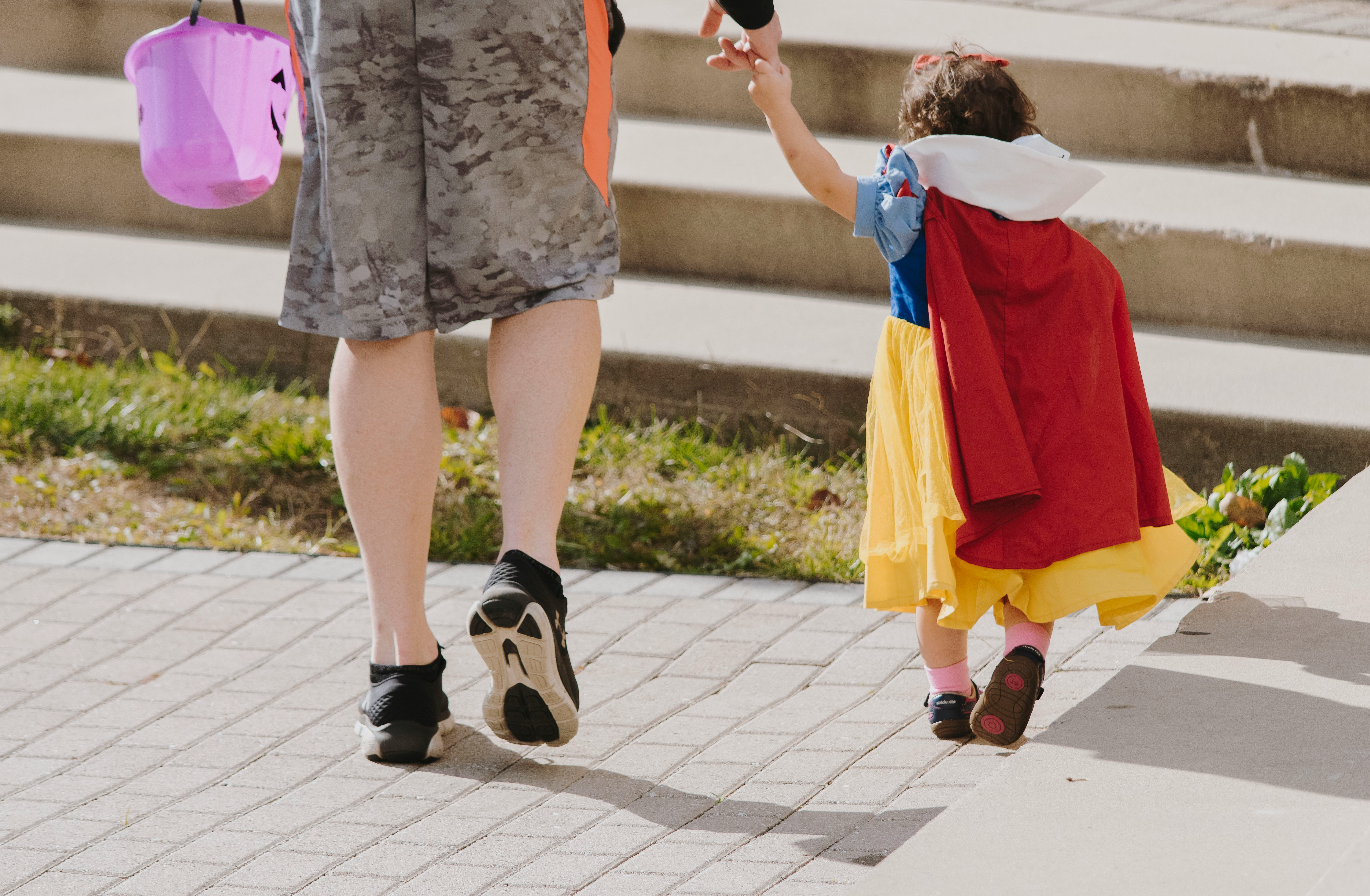
Pão por Deus literally means 'bread for God'. On the morning of 1 November, All Saints' Day (Dia de Todos os Santos), Portuguese children go from door to door in their neighbourhood. They ring the bell, call out 'Pão por Deus!' and hold up a small cloth bag, the saquinho. They are given something tasty: a piece of bread or cake, walnuts, chestnuts, an apple or pomegranate, sweets or sometimes a coin. The custom is centuries old, but gained a special meaning after the great Lisbon earthquake of 1 November 1755. People who had lost everything went from door to door asking for bread. In some areas the day is also called Dia do Bolinho, the day of the little cake.
What do you give when the bell rings?
On the morning of 1 November, put a bowl ready by the door. Children usually come between about nine o'clock and lunchtime, often in small groups with a parent or grandparent. These days children love sweets most of all, so a bag of wrapped sweets is always a hit. If you want to do it the traditional way, buy broas dos santos at the bakery: the sweet biscuits with honey, cinnamon and nuts that are everywhere at this time of year. A friendly 'Bom dia!' and a smile is enough; you don't need to speak Portuguese. In villages and suburbs most children come by, while in tourist apartment complexes on the coast sometimes no one does.
And Halloween?
Halloween on 31 October, known in Portugal as Dia das Bruxas (day of the witches), has become more and more popular in recent years. Supermarkets sell pumpkins and costumes, and in cities and coastal towns bars and restaurants hold Halloween parties. In neighbourhoods with many international families, such as in the Algarve and around Cascais, children go door to door in costume in the evening with 'Doçura ou travessura?', the Portuguese version of trick or treat. Not everyone welcomes it: many schools and parents prefer to keep their own Pão por Deus tradition alive. So in Portugal you really get two celebrations: Halloween in the evening, Pão por Deus the next morning.
The autumn celebrations at a glance
After Pão por Deus there are two more days you will notice as a winter visitor. On 2 November, Dia de Finados (All Souls' Day), families visit the cemetery and bring chrysanthemums. Around 11 November it is São Martinho: roasted chestnuts are sold everywhere and villages hold a magusto, a chestnut festival with young wine or sweet jeropiga. Note: 1 November is an official public holiday in Portugal. Banks, government offices and many shops are closed; large supermarkets and the emergency departments of private hospitals are usually open.
| Date | Celebration | What you'll see |
|---|---|---|
| 31 October (evening) | Halloween / Dia das Bruxas | Children in costume, parties in bars |
| 1 November (morning) | Pão por Deus / All Saints' Day | Children with bags at the door; public holiday |
| 2 November | All Souls' Day | Flowers at the cemeteries |
| around 11 November | São Martinho | Roasted chestnuts, magusto |
Want to see it yourself? Start your winter in early November
If you arrive at the end of October or early November, you can enjoy all these celebrations and also benefit from the start of the good-value winter season. In the Algarve it is still around 20 degrees during the day and the sea is relatively warm. If you want to experience a real Portuguese village, choose a stay in an inland village rather than a large complex on the coast: that's where children still ring the bell for Pão por Deus. Our Stays page lists apartments and holiday homes suited to over-55s, and our article on Algarve weather by month shows what to expect.
Sources
Read also
Looking for a stay or English-speaking care?